The Coolest Name: Cro-Magnon’s
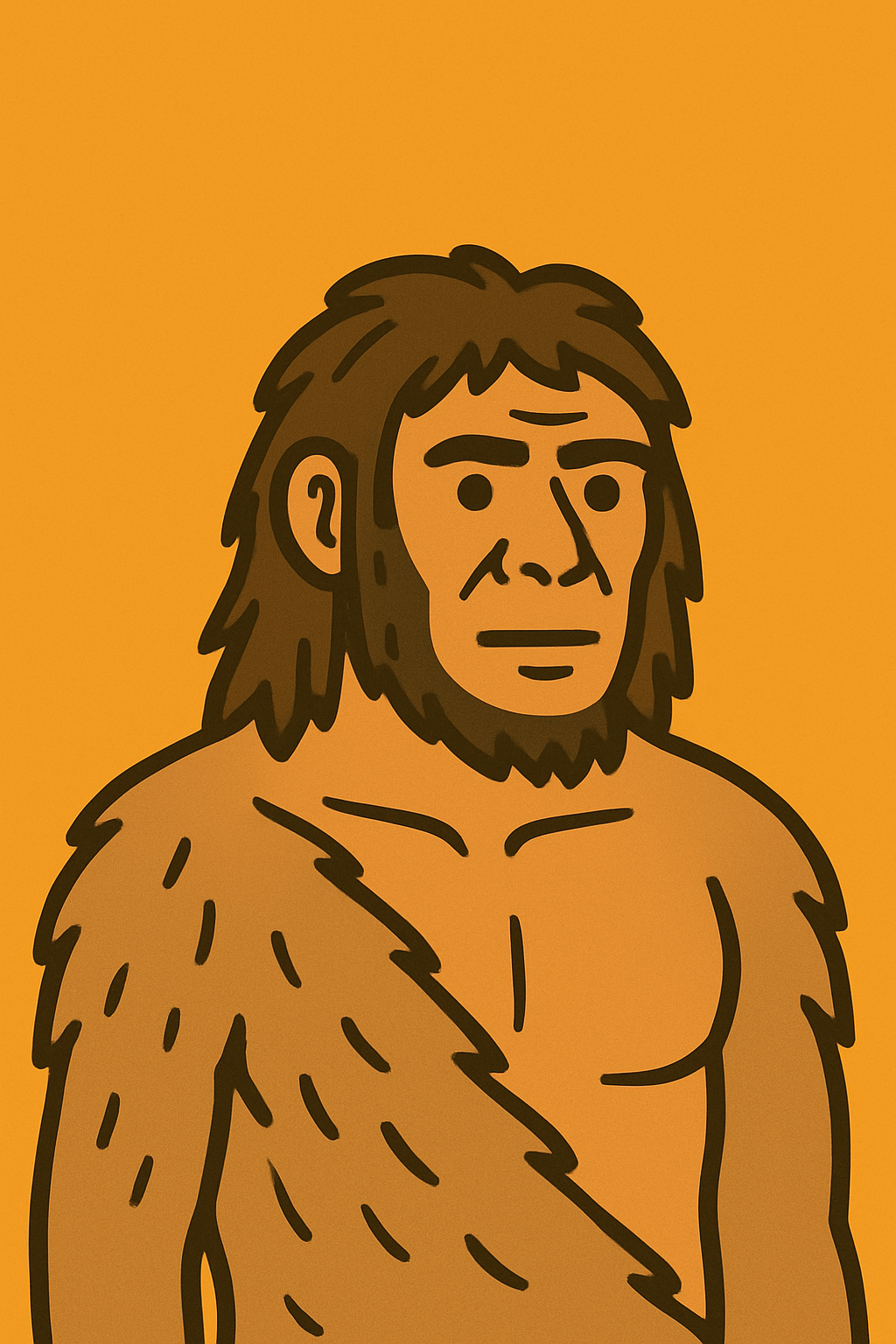
There have been many creatures that humans have driven to extinction — and others that disappeared all on their own. But let’s start things off with a bang: we killed our cousins.
Yes, we modern humans are Homo Sapiens, but did you know that we didn’t just share ancestors with other human relatives; we helped wipe some of them out entirely? Meet the Cro-Magnon’s, more commonly known as Denisovans, who once lived in what is now Northern Siberia.
Amazingly, we discovered this entire group of super-soldiers from a single pinky-finger bone — and that tiny fossil sparked an explosion of research. Denisovans were, on average hit heights of almost 1.9m tall (about 6’2″) at a time when most sapiens were around 1.7m tall (about 5’8″). Their collarbones were roughly 25% broader, and their musculoskeletal density may have been up to 20% greater.
Put simply: these guys were the real-life action figures of the prehistoric world. Unfortunately, their species didn’t survive. Whether due to competition, climate change, or simply being outmatched socially by early Homo sapiens, the Denisovans eventually vanished while our many-times-over great-grandparents thrived.
The (2nd) Mexican Tank
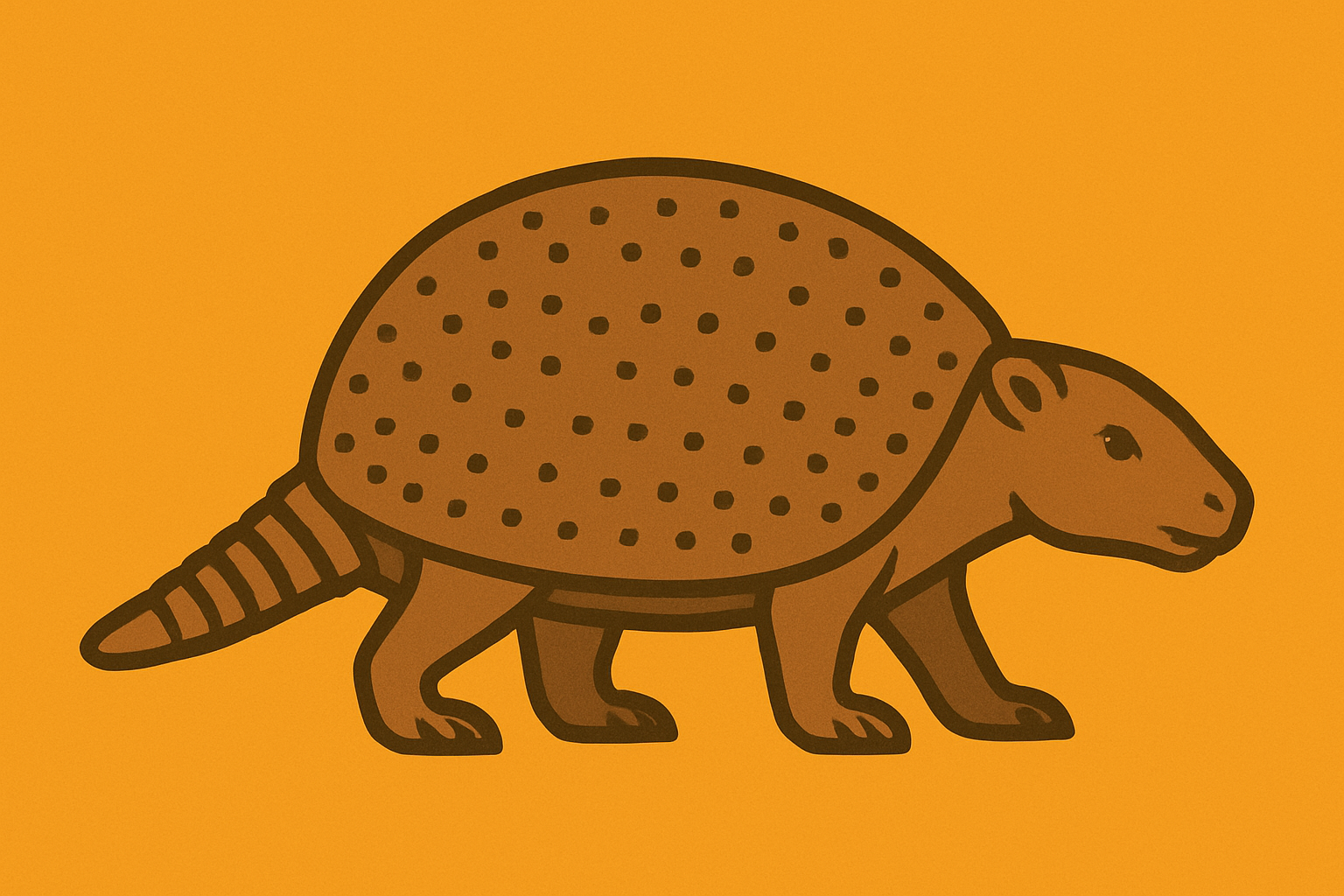
Did you know that Mexico’s Wikipedia page has incorrect history? Their Wikipedia says the first domestically produced tank was the TNCA Salinas, developed in 1917. However, their first tank was actually made much earlier, around 15,000 years ago. Sadly no, the Cro-Magnon did not ride these into battle like what is playing out in my head right now.
Meet the family of giant armadillo tanks found along Central and Southern America as close as XX years ago, known as the Glyptodont’s, which the largest of the bunch was the mammal-tank known as Glyptotherium.
Stepping onto the battlefield starting at 1200kg (2500lbs) during adolescent years, up to about 2000kg (4500lbs) for fully grown adults, which averaged 2 meters or 6 feet in length and about 150cm tall or almost 5 feet tall.
The bone armor was self-healing, and almost scaled like some video-game “dragon-skin” armor and despite being as thick as it was, it was slightly flexible, allowing it to have a wider range of motion than originally thought. It was also discovered that this allows them to swing their massive 50 pound club tail, that was covered in bone-crunching nubs made of the hardest plates, at anything that attempted to get into the gooey center of this hard-shell candy. Originally, it was thought to be vestigial only (aka. useless).
Due to their massive size, humans hunted them as early as 10,000 years ago, however climate change and their large food requirements, forced them to die off, making way for our current friends, the regular Armadillo.
The real life Toruk Makto
away from this bad bird!
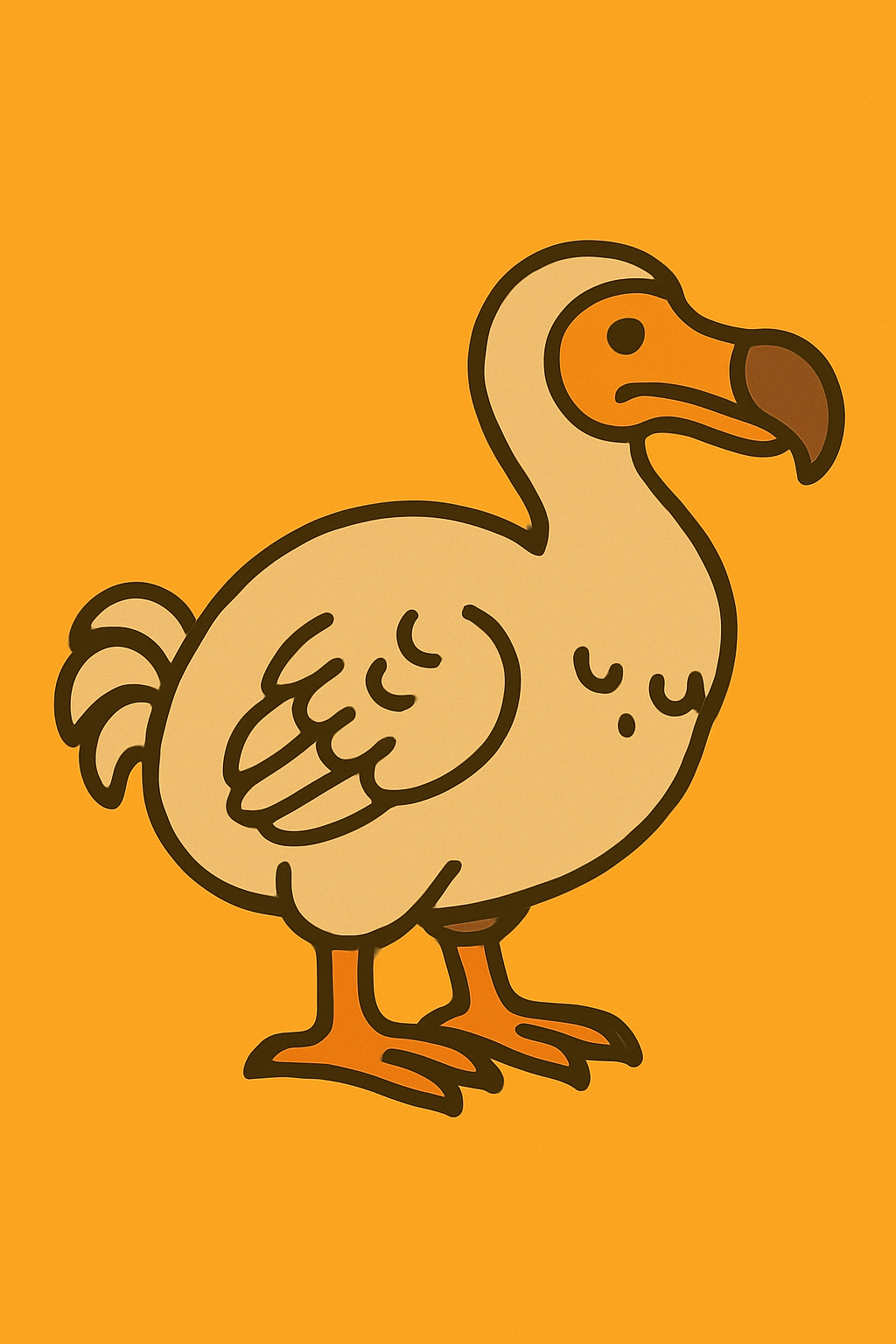
Not everything that has died that we once saw was on the ground. Some took to the skies, albeit, rarely. Meet Bennu Heron, the taller-than-humans bird that once called Egypt and the United Arab Emirates their home.
Rounding out the tallest animal of our list today, at 2.2m tall, or 6′ 6″ on average when fully grown, this Shaq-like bird also carries the gold medal for the widest wingspan of 2.7m or almost 9 feet. What’s that? Another gold medal? Sure why not. The most recent ancestor we’ve seen, as late as 1800 CE.
We have documented evidence that these giant birds, were last seen as late as 1750-1800 CE, with over-hunting being the leading cause to their demise, with a side order of climate change in the marshy wetlands they liked to call home.
They were carnivores and ate small lions, small sharks, snakes, and was known to eat Turtles and catch fish as well. The ancient Egyptians were known to bury full body sacrificial Bennu’s with their dead as an afterlife protector.
If you want to research further, this is a fascinating tunnel to fall down — was their god in hieroglyphics before or after the bird was found and brought back to The Nile?
Man’s Best Friend!
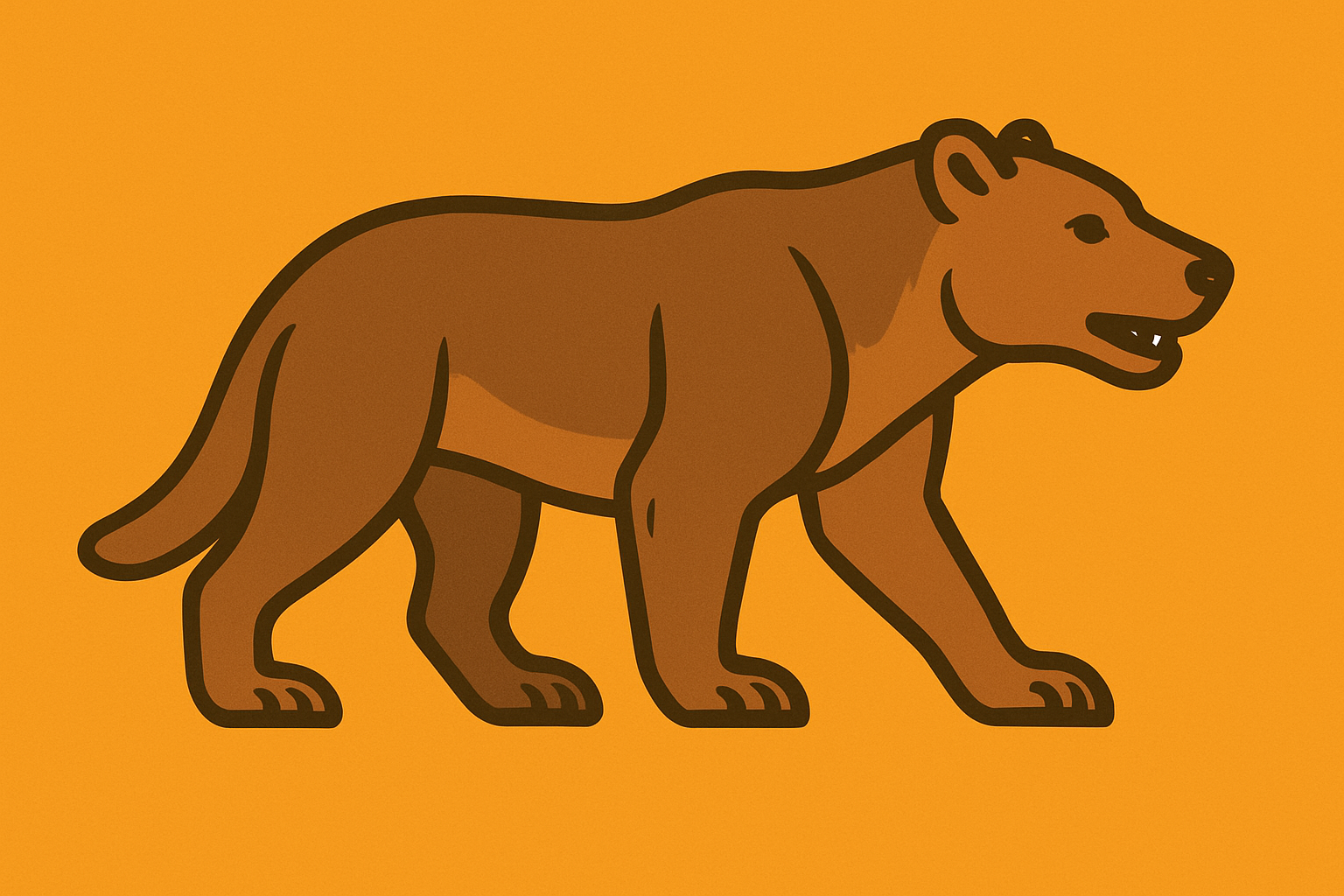
When you think “Dog” in this blurb let’s picture a nearly bear-like sized German Sheppard, with a jaw and teeth designed to snap and break bones with ease.These guys are known as Epicyon Haydeni, a common ancestor to the dogs we have today.
These big bois were on average measuring 2.4m, or almost 8 feet in length, and clocked in between 100-125kg or almost 275 pounds! They would generally be about 35-50 inches from the paw to the top of the skull while standing on all fours.
To put that into perspective, a brown bear in the Northern areas of Ontario and Canada, something very easily googleable.. googable..? is something for you to google.. Compare that with these doggos, and know that these doggos were larger, and likely hunted baby bears, and other small mammals in the Midwest of North America, where it called home.
OK, this last one is a slight lie – they WERE real, but they went extinct about 7 million years ago. I just wanted to shout out Doggo-Saurus #Sorry #NotSorry 😂